
Custom Printed Towels
Printing-method suitability depends on the towel material and surface, artwork detail, required coverage, and finished use.
- Four printing methods
- Placed, repeat, or full coverage
- Sample approval before production
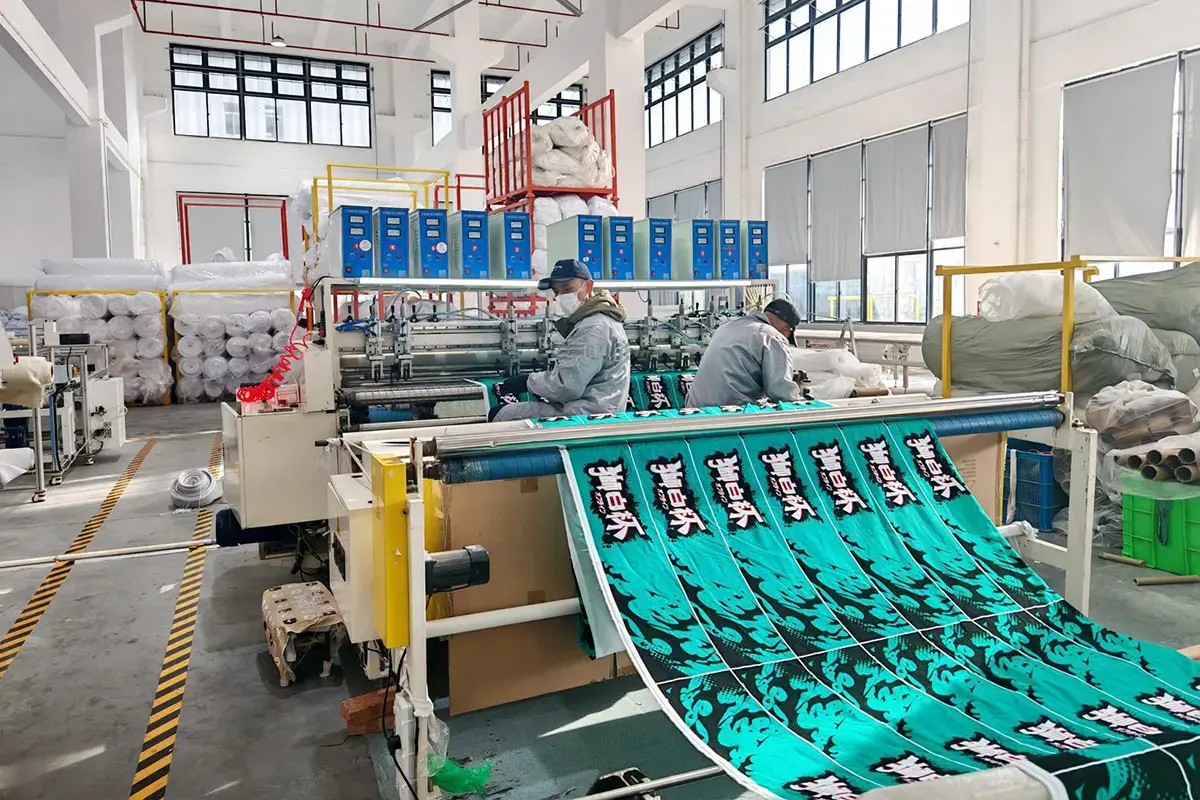
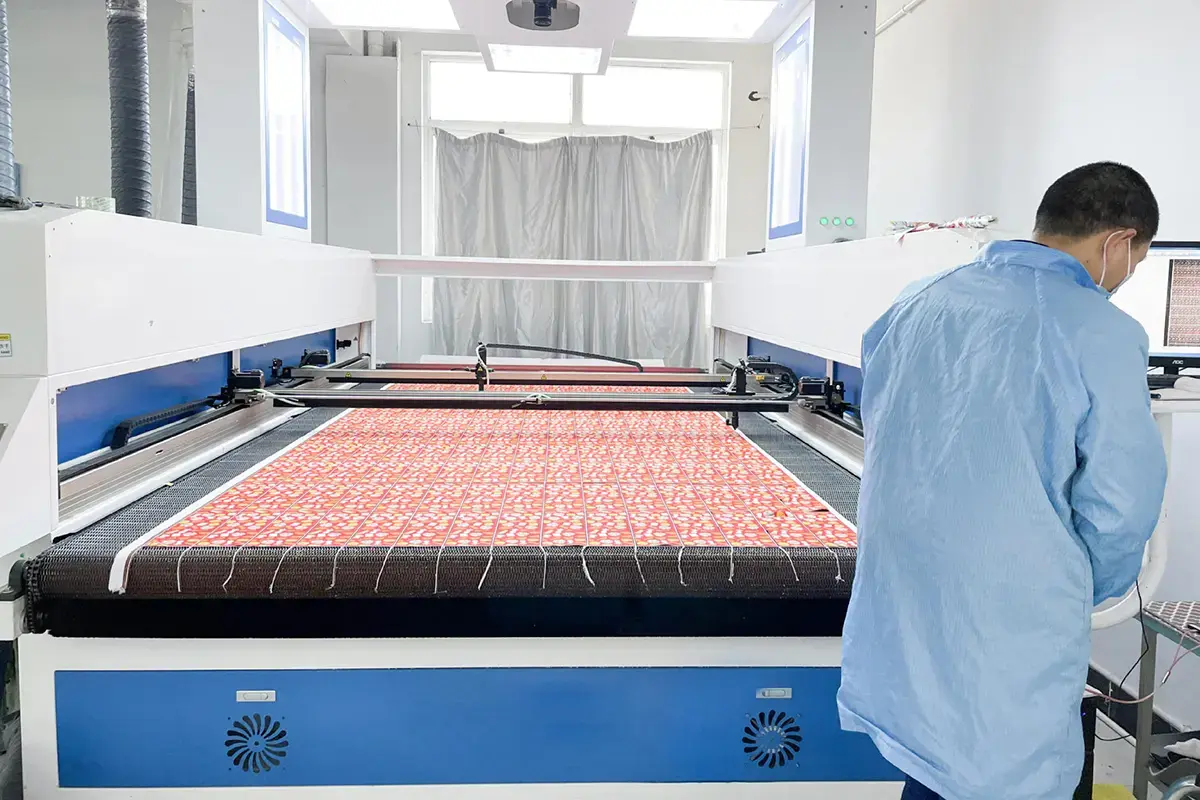
Printing Methods and Compatibility
The towel construction and artwork determine which printing method is suitable.
- Reactive printing
A possible method for compatible cotton towel constructions and artwork with multiple colors or broader coverage. - Digital printing
A possible method for compatible surfaces with detailed illustrations, fine shapes, or complex color transitions. - Sublimation printing
Associated with compatible polyester or microfiber constructions, including photographic and full-coverage designs. - Screen printing
A possible method for simple logos or graphics separated into clear color areas. A stitched or woven mark may instead suit logo embroidery or jacquard towels.
Method availability, material compatibility, color limits, and coverage limits are confirmed for the specific project before sampling.
Print Requirements Begin with the Towel
The towel base, artwork, coverage, and print method have to work as one compatible finished product.
Material and Surface Compatibility
The material and surface must suit both the towel’s use and the selected printing method.
- Material: cotton, polyester, microfiber, or a compatible blend
- Surface: looped, sheared, smooth, or other printable construction
- Specification: finished size, GSM, towel color, and printed side
- End use: absorbency, contact, and washing requirements
Available base materials are described on the custom towel materials page.
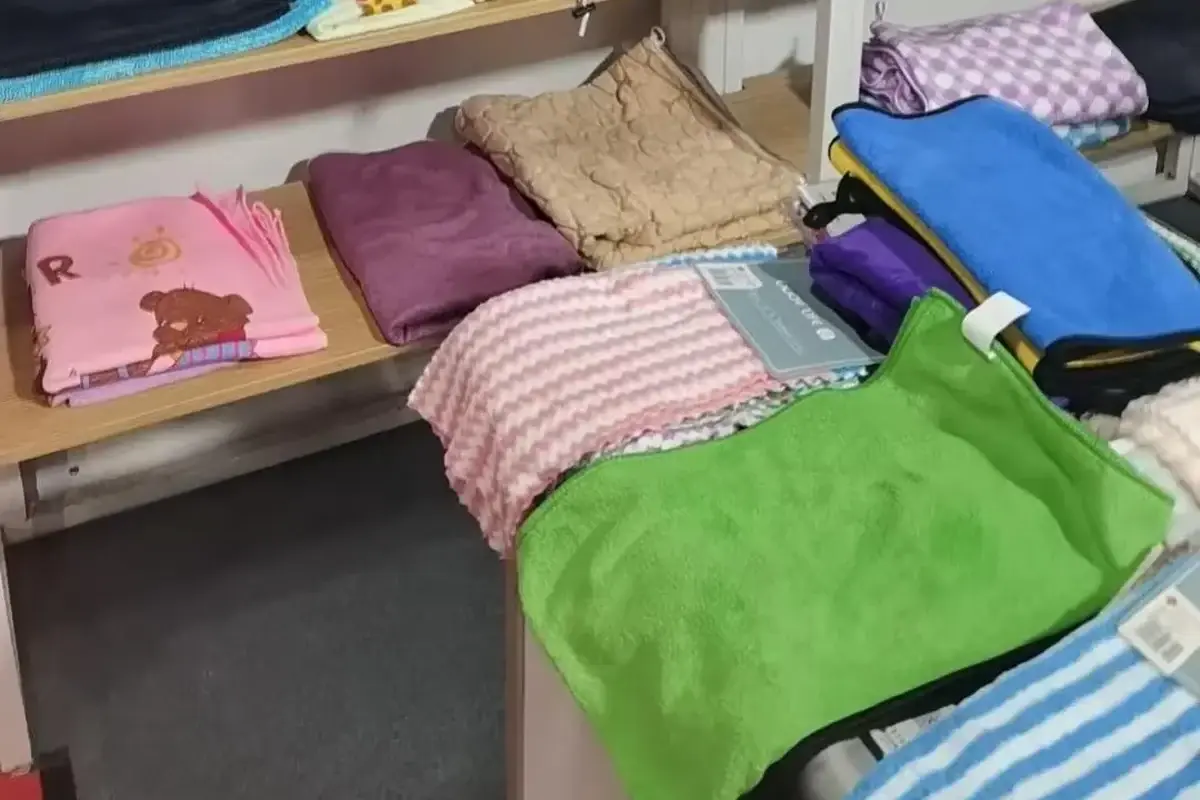
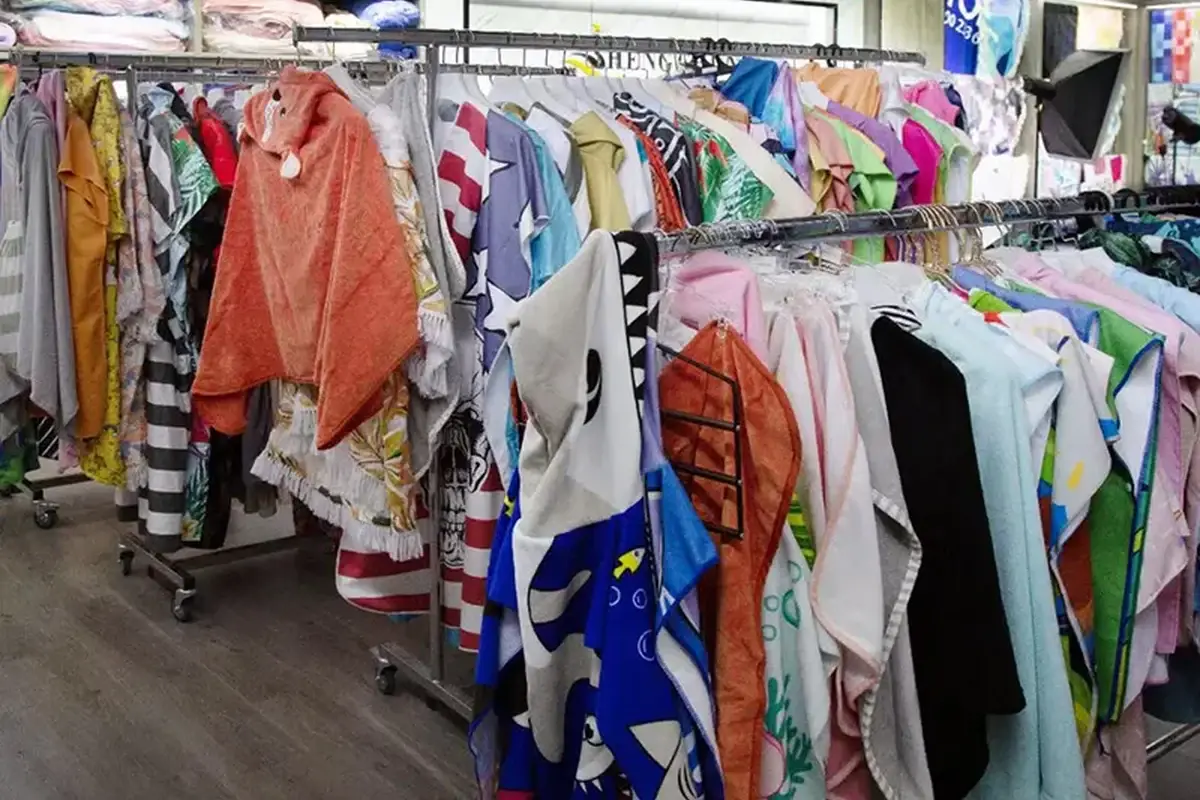
Print Artwork at Finished Scale
An enlarged web image can lose detail. The production layout needs sufficient source quality and must be built around the finished towel dimensions and intended print area.
- Logos and graphics: original vector artwork when available
- Photographs: the highest-resolution original source
- Layout: finished scale, position, and reading direction
- Edges: crop, bleed, hems, and border relationship
Print Area, Crop, and Bleed
Placed, repeat, and full-coverage artwork require different layouts around the finished dimensions and towel edges.
- Placed print: print size and measured position
- Repeat pattern: repeat unit, spacing, and direction
- Full coverage: visible area, crop, and required bleed
- Edges: hems, borders, seams, and fold lines
Finished-dimension guidance is available on the custom towel sizes page.
Approve the Finished Printed Sample
A screen preview cannot show the artwork scale, surface interaction, printed edges, and priority colors together on the finished towel.
- Artwork: scale, position, direction, and visible details
- Color: priority areas checked on the actual surface
- Print area: coverage, crop, bleed, hems, and finished edges
- Performance: agreed wash or colorfastness checks when required
Component-level color references are explained on the custom towel colors page.
Three Coverage Layouts
The coverage style determines how the artwork relates to the visible towel surface and finished edges.
Placed Print
One logo, image, or graphic sits within a defined area while the surrounding towel surface remains visible.
Repeat Pattern
A motif repeats across the selected print area with an agreed unit, spacing, direction, and edge treatment.
Full-Coverage Print
Artwork extends across the towel with allowances for finished dimensions, hems, crop, and bleed.
Print Information for Method Review
For printing method review, send the towel base, finished size, original artwork file, required coverage, quantity, and either a preferred method or an open choice.
Request a Print Review